


5 Warning Signs Your Press Pit is Failing: A Diagnostic Guide
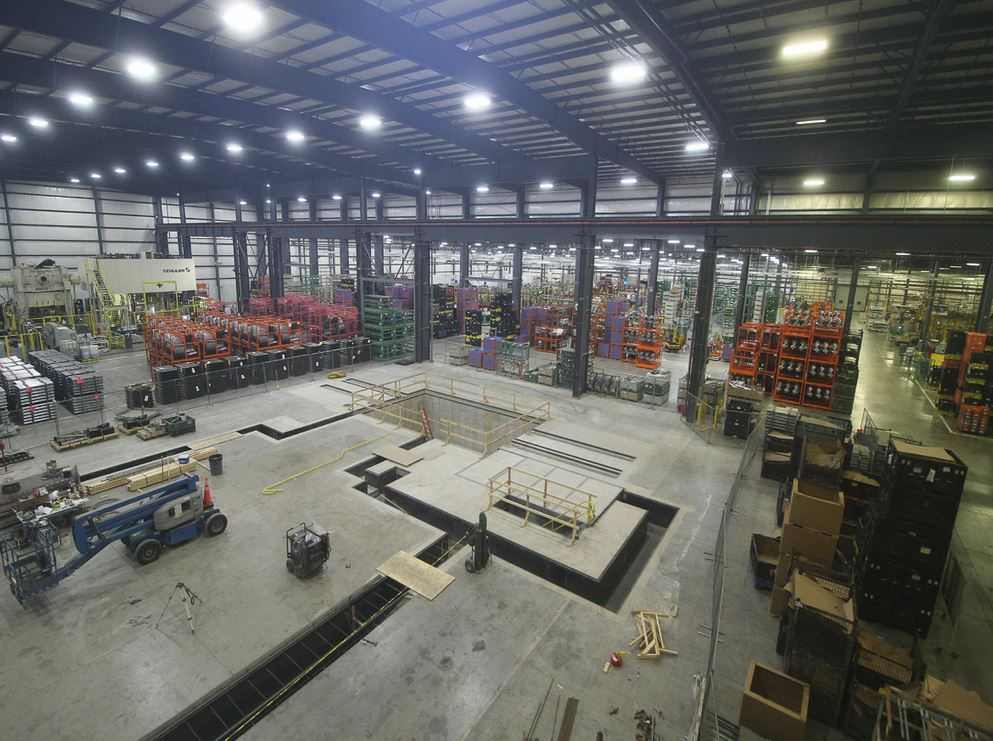
Is your shop floor vibrating more than it used to?
Have you noticed your maintenance team spending more time in the pit than on the line, or perhaps you’ve caught yourself wondering if that hairline crack in the concrete was there last month?
In a high-volume production environment, your press is only as reliable as the ground it stands on. A press pit isn't just a hole in the ground; it’s a complex engineered system designed to absorb massive kinetic energy and maintain the precise alignment your customers demand.
By catching these five early warning signs, you can pivot from reactive firefighting to proactive planning.
1. Spider-Web or Structural Cracking
While minor surface "crazing" is common with age, deep or widening cracks are a plea for help.
- What to look for: Look for cracks that appear near the anchor bolts or at the corners of the pit. "Spider-web" patterns often indicate that the concrete is fatigued from repeated impact loads.
- The Risk: Cracks allow oil and coolant to seep into the concrete. Once these fluids reach the rebar, the internal steel begins to corrode and expand, compromising the structural integrity of the entire foundation from the inside out.
2. Chronic Standing Water or Seepage
If you notice water pooling at the bottom of the pit—or if the walls appear "damp" even during dry spells—you’re likely dealing with hydrostatic pressure.
- What to look for: Discoloration of the walls, a musty odor, or visible water entering through floor-to-wall joints.
- The Risk: Water is a silent saboteur. It can erode the sub-grade soil, creating "voids" or hollow spots beneath the concrete. Without a solid base, the foundation can lose its level, leading to the press "rocking" during operation.
3. Excessive Vibration and "Nuisance" Maintenance
Are you replacing bearings, seals, or bushings more often than the OEM manual suggests? The culprit might not be the machine; it might be the floor.
- What to look for: Increased vibration felt in surrounding floorboards or office areas when the press cycles.
- The Risk: A failing foundation loses its ability to dampen vibration. That energy has to go somewhere, so it reflects back into the machine. This leads to "unexplained" mechanical failures and premature wear on expensive internal components.
4. Bolt Loosening and Anchor Failure
Anchor bolts are the only thing keeping your multi-ton press from moving during a stroke. If they won’t stay tight, the foundation is likely shifting.
- What to look for: Bolts that require frequent re-torquing or visible "pumping" (the bolt moving up and down slightly) when the press strikes.
- The Risk: This is a clear sign that the concrete surrounding the anchor has pulverized. If an anchor fails completely, the resulting lateral movement can snap tie-rods or even crack the machine frame.
5. Part Inconsistency and Misalignment
Sometimes the first sign of a foundation issue isn’t found in the pit, but in the Quality Control lab.
- What to look for: A sudden increase in scrap rates or parts that are consistently "out of square." If you’re constantly shimming the bolster to get a true hit, the foundation may be tilting.
- The Risk: Even a fraction of a degree of shift in a deep press pit can translate to significant misalignment at the die. If the foundation has settled unevenly, no amount of machine calibration will fix the problem permanently.
Don’t Wait for a Catastrophic Shutdown
We know that "downtime" is a four-letter word in your facility. Identifying these signs early can mean the difference between a controlled, weekend repair and a month-long emergency rebuild that costs millions in lost revenue.
If you’ve spotted any of these symptoms, let’s get an expert eye on your foundation. We specialize in the design, deep excavation, and construction of press pits and machine foundations that are built to outlast the equipment they support.
Ready to secure your floor? Request a Quote from Delta Industrial today to discuss your project or schedule a structural evaluation.