


Common Mistakes that Delay Industrial Foundation Projects
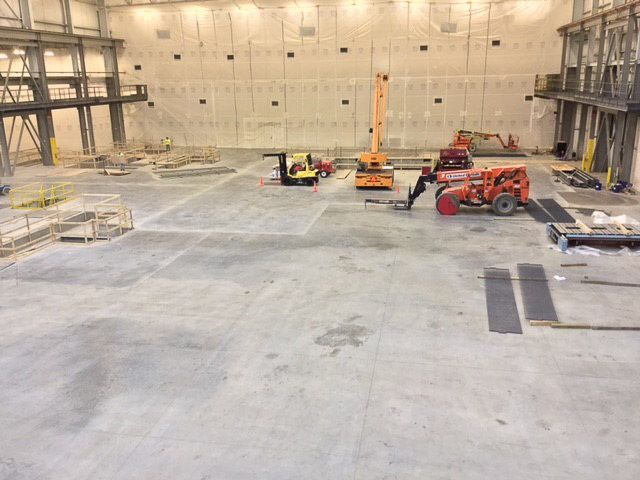
Have you ever watched a foundation project start strong, then slow down because drawings weren’t finalized, site conditions changed, or equipment details kept shifting?
Are you trying to keep a manufacturing upgrade on schedule without creating costly downtime?
Industrial foundation work leaves very little room for guesswork. Because these projects support heavy equipment, tight tolerances, and demanding schedules, even small planning gaps can turn into major delays.
The good news? Most delays are preventable when the team gets the scope, sequencing, and communication right from the beginning.
This article explains the most common mistakes that delay industrial foundation projects and how to avoid them.
1. Starting before the scope is clear
One of the biggest delays happens when a project begins before everyone agrees on exactly what is being built. If the equipment loads, anchor bolt details, slab requirements, or pit dimensions are still changing, the contractor may have to stop work and wait for revised direction. That pause can affect excavation, forming, reinforcing, and the concrete pour itself.
A clear scope should define the foundation’s purpose, dimensions, tolerances, materials, and the equipment it supports. It should also account for future maintenance access, utility routing, and installation requirements. The more precise the scope is up front, the fewer surprises appear later.
2. Underestimating site conditions
Industrial sites often look simpler on paper than they do in the field. Soil conditions, underground utilities, drainage issues, old slabs, contaminated material, or hidden obstructions can all delay the schedule. If the team discovers these issues after work has started, the project may need redesign, extra excavation, or additional approvals.
3. Poor coordination between teams
Industrial foundation projects usually involve owners, engineers, equipment suppliers, general contractors, concrete crews, and sometimes steel fabricators or rigging teams. If those groups are not aligned, the project can stall quickly. For example, a foundation may be ready, but the machine layout is still changing, or the anchor bolt template hasn’t been confirmed.
4. Waiting too long on approvals
Permits, inspections, design reviews, and owner signoffs can all slow a project if they aren’t built into the schedule. Many teams focus heavily on the construction phase and underestimate how long approvals will take. When that happens, crews and materials may be ready while paperwork is still pending.
5. Ordering materials too late
Concrete projects depend on timing. Reinforcement steel, embeds, anchor bolts, formwork materials, and specialty components all need to arrive when the crew needs them. If procurement slips, the entire schedule can shift, especially when a project depends on a fixed equipment delivery date.
Late ordering is especially risky when specialized parts are involved. Industrial jobs often need custom items that are not easy to replace at the last minute. Building a procurement calendar tied to the construction sequence helps prevent avoidable downtime.
6. Not planning for equipment installation
A foundation is not just concrete in the ground. It has to support the actual equipment, which means the installation sequence matters just as much as the pour. If lifting plans, access routes, anchor bolt placement, or curing time aren’t coordinated with the equipment vendor, the project can get delayed even after the concrete work is complete.
7. Ignoring schedule buffers
Many industrial projects are built on optimistic timelines. That may work on paper, but real jobs deal with weather, inspections, supply delays, equipment changes, and labor availability. When there is no buffer in the schedule, a small delay can turn into a major setback.
How to keep the project moving
The fastest way to avoid delays is to treat pre-construction as seriously as the build itself. Confirm the scope, verify site conditions, coordinate with all stakeholders, and order long-lead materials early. Most industrial foundation problems are not caused by the concrete work alone; they are caused by missed details before the pour ever happens.
It also helps to work with a concrete contractor who understands industrial sequencing, equipment requirements, and the pressure of plant schedules. When everyone knows the plan and the plan is based on real conditions, the project has a much better chance of finishing on time.
Ready to reduce delays?
If you’re planning an industrial foundation project, the right first step is a thorough preconstruction review. A strong team can help you identify risks early, tighten the schedule, and keep your equipment installation on track. Reach out to our team to talk through your project and build a plan that keeps work moving.